SaaS platform
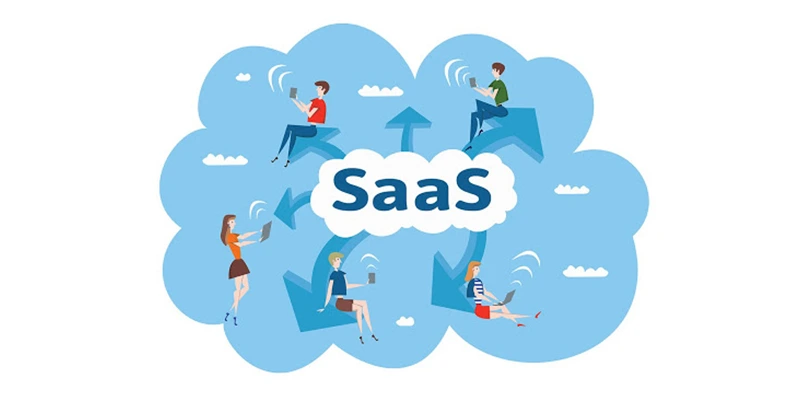
In recent years, the SaaS model (Software as a Service) has profoundly changed the way businesses and professionals use software, making digital tools ever more accessible, flexible and integrated into everyday processes. In Italy too, this shift has shaped a dynamic ecosystem made up of innovative companies and highly specialised solutions.
Unlike the big international players, the Italian SaaS landscape stands out for its many vertical platforms, designed to meet specific needs and solve concrete problems. From human resources to logistics, from automated communication to cybersecurity, many Italian companies build targeted tools that simplify complex tasks and improve operational efficiency.
In this article, we explore a selection of Italian SaaS companies that stand out for their approach, the technologies they develop and their ability to meet real needs. A map of solutions spanning different sectors, highlighting the growth paths of established companies, startups and niche businesses.
A journey through an ever-evolving ecosystem, where each company occupies its own space and, through its innovation, helps broaden the horizons of Italy’s digital landscape.
1. Shipping and logistics
Qapla’ is a software platform designed to simplify e-commerce shipping management by coordinating the different stages of a product’s journey from seller to customer. Founded by Luca Cassia and Roberto Fumarola, it was created to make the logistics that follow an online purchase more efficient.
The platform lets businesses manage label creation, delivery tracking, customer notifications and returns from a single environment, integrating with a range of carriers, marketplaces and online sales platforms.
A distinctive feature is its focus on the post-purchase phase, a strategic touchpoint that can improve communication with the customer and encourage repeat purchases. Every shipment follows its own path, which the platform helps coordinate and monitor.
ShippyPro develops a software platform to automate and centralise e-commerce logistics operations. The solution connects different carriers and sales channels, generates shipping labels, tracks orders, manages returns and analyses delivery performance.
Its goal is to reduce the manual work needed to ship products and make it easier to manage domestic and international sales, even along complex trade routes.
The platform thus gives businesses an overview of their logistics flows, helping them find their way through an increasingly complex shipping network.
2. Marketing, communication and content

WordLift is a technology solution that combines artificial intelligence and semantic technologies to help businesses organise and get more value from the content they publish online.
The software enriches web pages with structured information, links concepts together and improves how search engines understand websites. Through these connections, the platform helps build a true semantic map of digital content, clarifying the relationships between pieces of information and topics.
It is aimed mainly at digital publishers, SEO professionals and businesses that want their content to be easier to find and understand, including by AI-based systems.
You can translate full documents by uploading files in various formats and selecting the language you need. Canva’s AI-powered online translator processes the content and quickly provides a properly formatted document ready to download.
Canva allows you to translate PDFs into Italian from English and more than 100 other languages: simply upload your document and choose the desired language.
Contents.com is a platform for creating and managing digital content with generative artificial intelligence. It is aimed at businesses, marketing teams and communication professionals who need to produce text and other content for websites, advertising campaigns, blogs and digital channels.
AI supports tasks such as drafting, rewriting and producing content at scale, while keeping the option for users to review it.
The platform is part of an ever-changing publishing ecosystem, where production speed, quality and the ability to reach new audiences are defining new horizons for digital communication.
MailUp is a digital marketing platform that businesses use to manage newsletters, email campaigns and SMS communications. The software lets you create messages, organise contacts, schedule sends and track campaign results through statistics and analytics tools. These features help businesses keep the conversation with customers going, promote products and services and automate some recurring communications.
MemoMail is a web service for sending reminder emails automatically, designed for businesses and professionals who want to automate recurring communications. The platform lets you create personalised messages, organise recipients into lists and schedule sends based on dates, frequencies and deadlines.
It can be used to remind customers about payments, service renewals, appointments, tax deadlines and maintenance work, reducing the need to send every message by hand. The service works like an automated diary, a kind of time-coordinate system that helps keep the various deadlines under control and follow the activity calendar without losing sight of important appointments.
It can be useful for accounting firms, insurance agencies and medical practices, to keep clients informed and cut down on missed reminders.
Spoki is a customer communication management platform that works mainly through WhatsApp Business.
The software lets you automate messages, organise conversations, manage marketing and sales activities and integrate communications with business processes. It can be used to send order updates, answer user enquiries, guide customers along the buying journey and build loyalty.
The platform acts as a direct point of connection between businesses and customers, creating a communication channel through which interactions can unfold in a faster, more coordinated way.
Do you want to know how to increase visits to your website?
Book a free appointment online now.
3. Artificial intelligence, cybersecurity and tech software
Akamas began as a spin-off of Moviri and develops a platform for the automated optimisation of the performance, reliability and costs of software systems. Its technology uses artificial intelligence and machine learning algorithms to identify more efficient configurations for complex applications and IT infrastructures.
It is particularly useful for companies that run digital services at scale and need to balance execution speed, stability and use of cloud resources.
The platform helps find the balance point between different operational variables, like a navigation system searching for the most efficient route between performance and cost.
Cleafy is a technology company specialising in digital fraud prevention and cybersecurity, with a particular focus on the financial sector. Its solutions help banks, financial institutions and payment service providers detect suspicious behaviour, fraudulent activity and threats that can affect digital banking channels.
The platform analyses signals and behaviour linked to users’ online sessions and devices to recognise possible attacks and allow organisations to step in promptly.
In a constantly expanding digital ecosystem, security is an essential protection system for spotting deviations from normal activity patterns and guarding the most exposed points.
Clearbox AI is a company specialising in artificial intelligence and data management, with a particular focus on generating and using synthetic data.
This data is created artificially to reproduce some statistical characteristics of real data and can be used to develop, test and evaluate artificial intelligence systems, reducing, in certain contexts, the need to use real information directly.
This approach widens the space for experimentation, offering businesses new scenarios in which to test models and algorithms before putting them into practice.
The company works mainly with organisations that handle large amounts of data and must address needs around technology development, privacy and experimentation.
Awhy develops conversational artificial intelligence solutions to automate part of customer service. Its technologies enable businesses to build virtual assistants that can interact with users, answer frequently asked questions and support the handling of requests across digital channels.
These tools can help reduce the workload on staff and speed up response times, leaving people to deal with requests that need specific attention.
Virtual assistants act as gateways to a company’s services, helping users find their way through the available information and solutions and reach the answer they are looking for more quickly.
4. Human resources, skills and workforce management
AWMS (awm suite) is a workforce management platform developed by AzzurroDigitale in partnership with Electrolux. The project began as a way to digitise workforce planning and has grown into a solution for managing shifts, skills and absences.
The software helps plan staff attendance and assignments, taking into account available skills, shifts and operational needs. The aim is to assign people to the tasks that suit them best, improving work organisation and contributing to safety and efficiency in factories and warehouses.
The platform provides a map of available resources, linking skills, shifts and production needs to coordinate activities more effectively.
Jet HR develops digital tools that simplify HR administration. The platform is designed for companies that want to centralise tasks such as employee management, hiring procedures, employment administration and payroll processing.
The goal is to reduce fragmentation across tools and administrative processes, creating a more coordinated and easy-to-consult working environment.
This way, business owners, HR managers and professionals can find their way more easily through employee-related obligations, seeing priorities and outstanding tasks more clearly.
Fluida is a digital platform for human resources management, designed to make day-to-day activities simpler for employees, managers and HR departments. The software supports processes such as attendance tracking, handling employee requests and organising staff information.
The idea behind the project is to digitise procedures that are often handled with paper documents, spreadsheets or separate tools, bringing them together in a single, more accessible and coordinated digital environment.
The platform thus creates a shared reference point for administrative tasks, making it easier to follow the flow of information between the different roles in a company.
TimeFlow is a digital platform for managing skills, the workforce and professional service providers. It helps companies identify the expertise they need, compare available resources and organise sourcing and collaboration processes.
The solution also supports supplier management and the monitoring of documents, certifications and compliance requirements, giving organisations a more structured view of skills and purchased services.
5. Finance, invoicing and business management software
Fatture in Cloud is electronic invoicing and business administration software aimed mainly at professionals, freelancers and small businesses. The project was launched by Daniele Ratti to simplify running his own business and working with his accountant; since 2025, following the merger of MadBit Entertainment, it has been a TeamSystem S.p.A. product.
It lets you create and send invoices, manage quotes and business documents, record expenses and monitor the financial position of the business. Because it is available online, information can be viewed and updated without depending on a single computer, which also makes it easier to work with an accountant.
The software provides an overview of cash flows, helping keep income, expenses and administrative paperwork under control.
6. Tourism, hospitality and revenue management
Lybra Tech develops revenue management technology for the hotel industry. Its solutions help hotels and accommodation providers understand tourist demand, analyse market data and optimise room rates according to market conditions.
The goal is to support hoteliers’ commercial decisions, improving pricing and revenue opportunities.
Through data analysis, the platform helps map tourist demand, identifying trends and opportunities arising from market changes. Lybra Tech has become part of the Zucchetti ecosystem.
Smartpricing is a revenue management platform that helps hotels, B&Bs and other accommodation providers set and update room rates.
The software analyses information relevant to pricing, such as demand trends and availability, to help operators choose the rates that best fit market conditions. This way, properties can reduce the need to change prices by hand and manage sales more dynamically.
Rates thus follow the trajectory of tourist demand, adapting to market changes and booking opportunities.
7. Legal and training
Lexroom is an artificial intelligence platform designed to support the work of legal professionals. The software lets users carry out legal research, analyse documents, identify relevant clauses and prepare drafts of pleadings and other legal documents.
The aim is to reduce the time needed for research and review, while leaving the professional in control of checks and final decisions.
The platform makes it easier to navigate large volumes of legal information, helping users identify the relevant sources and trace a more direct path from the initial question to useful references.
8. Digital agriculture and precision farming
Agricolus develops digital tools for precision farming. Its solutions help farmers, agronomists and agricultural businesses monitor crops, collect field data and use weather information, satellite imagery and forecasting models to support agronomic decisions.
The platform makes it possible to observe crop conditions, monitor possible diseases and pests and assess the irrigation and nutrition needs of plants. Combining satellite images with data collected in the field provides a broader view of the crops and helps pinpoint the areas that need more attention.
The goal is to encourage more informed management of farming activities, improving the use of water, fertilisers and treatments and contributing to more sustainable production.
In conclusion
The Italian SaaS landscape reveals a diverse ecosystem, in which technological innovation and sector specialisation respond to the concrete needs of businesses and professionals. From logistics to marketing, from human resources to cybersecurity, all the way to tourism and precision farming, the companies featured show how software can simplify processes, optimise resources and improve competitiveness.
One of the most interesting aspects of this market is the development of vertical solutions, designed to tackle specific problems and fit into everyday workflows. Alongside them are the opportunities offered by artificial intelligence, automation and data analysis, technologies that expand the potential of SaaS and transform business management.
For Italian companies, the challenge is to consolidate their position in the domestic market and seize international opportunities while preserving the distinctive value of their specialisation.
The 20 companies featured represent just one part of an ever-evolving ecosystem. Their journey shows that SaaS is not just a software distribution model, but a way to create value through accessible, scalable and constantly improving digital services. Looking at these companies helps capture the main directions of digital innovation in Italy and understand why the sector will remain relevant in the years ahead.